Concrete Slab & Foundation Work
Get your concrete slab or foundation poured right the first time by the experienced crew at Supreme Huntington Beach Concrete Company in Huntington Beach, CA.
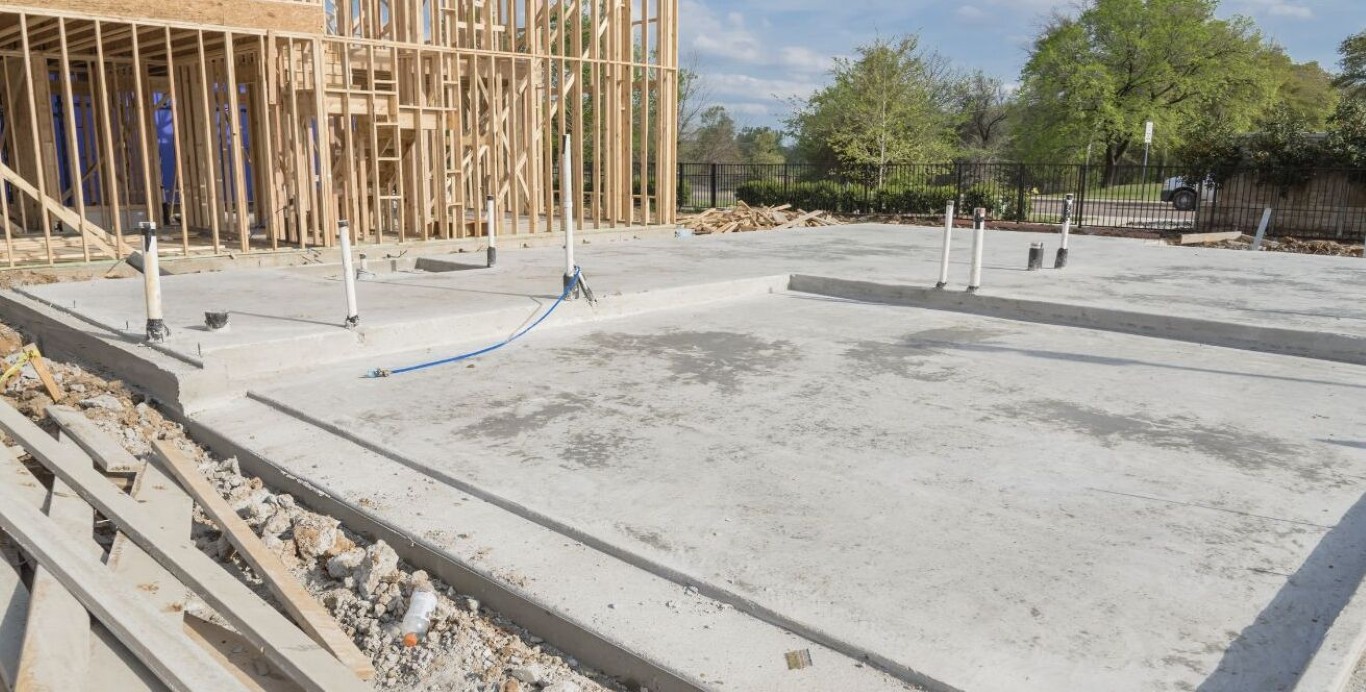
Everything built on top of concrete is only as good as what is underneath it. A shed, a garage, an ADU, or a home addition all depend on a solid, level slab to stay structurally sound for decades. At Supreme Huntington Beach Concrete Company, we pour concrete slabs and do foundation work for residential and commercial projects throughout Huntington Beach and the surrounding area.
We pay attention to the details that most people never see, like proper soil compaction, the right gravel depth, vapor barriers, rebar sizing, and correct curing time. Getting those things right is the difference between a slab that lasts 50 years and one that starts cracking and settling within a few.
Call for a Free Quote: (657) 485-0088What We Build: Types of Slab and Foundation Work We Handle
Not all concrete slabs are the same. Here is a breakdown of the slab and foundation projects we work on regularly so you can see where your job fits.
- Monolithic slabs: A single pour for the slab and footer together. This is common for smaller structures like sheds, workshops, and some ADUs where speed and simplicity matter.
- T-shaped foundations: A footing is poured first below the frost line, then the slab is poured on top. This is common for larger structures that need more load-bearing capacity.
- Stem wall foundations: Short concrete walls are poured on top of footings to raise the structure above grade. This is frequently used for garages and detached structures.
- Garage slabs: Poured to the right thickness and pitch so oil and water drain toward the door rather than pooling in the center.
- Shed and workshop pads: Level, properly reinforced slabs sized to the structure you are putting on them.
- ADU and addition slabs: We work with homeowners and contractors adding square footage to their properties, making sure the new foundation ties in correctly with the existing structure.
If you are not sure which type of foundation your project needs, we can walk you through it when we come out for your free estimate.
Why Prep Work Makes or Breaks a Concrete Slab
The concrete pour itself takes a few hours. The prep work that comes before it takes much longer and matters much more. Here is what we do before we ever order a load of concrete.
Soil Testing and Excavation
We check what is below the surface. Sandy, clay-heavy, or unstable soil behaves differently under a slab. We excavate to the correct depth for your project type and soil conditions, removing anything that would cause uneven settling later.
Gravel Base and Compaction
A compacted gravel base gives the slab a stable, well-draining platform. Skipping this step or using the wrong depth is one of the most common reasons slabs crack and settle early. We use the right depth and compact it in layers.
Vapor Barrier Installation
For any slab that will have flooring on top of it, including garages and living spaces, we lay a vapor barrier between the gravel and the concrete. This stops moisture from wicking up through the slab and damaging your floors or causing mold issues.
Rebar and Wire Mesh
Steel reinforcement keeps the slab together when it flexes under load or temperature changes. We size the reinforcement based on the expected loads, not just to minimum code. Heavier vehicle traffic or equipment requires heavier rebar, and we build it that way.
Signs Your Existing Slab May Need Replacement
Not every cracked slab needs a full replacement, but some do. Here is how to tell the difference, and when it makes more financial sense to replace rather than repair.
- Significant slab heaving or sinking: If sections of your slab have shifted more than an inch or two up or down, the sub-base has likely failed and repair is only a temporary fix.
- Wide or deep cracks: Hairline surface cracks are normal. Cracks wider than a quarter inch, especially those that go all the way through, point to structural issues below.
- Crumbling edges: If the edges of your slab are flaking away or crumbling, the concrete mix has likely degraded past the point of repair.
- Water pooling under the structure: Standing water near or under a foundation slab will continue to erode the base and worsen settling over time.
If you have surface cracks but the slab is otherwise level and solid, you may only need repairs. See our concrete repair and replacement page to learn what options are available for damaged slabs.
Questions About Concrete Slab and Foundation Work
Here are answers to the most common questions we get from homeowners and contractors planning a slab or foundation project.
How thick does my concrete slab need to be?
Do I need a permit for a concrete slab in Huntington Beach?
How long do I have to wait before building on a new slab?
Need a concrete slab or foundation poured in Huntington Beach?
Call us now for a free estimate. We work with homeowners, general contractors, and developers throughout Orange County.
(657) 485-0088Learn about all of our concrete services on the Supreme Huntington Beach Concrete Company homepage.