Loading...
Serving Huntington Beach, CA and surrounding areas. (657) 485-0088
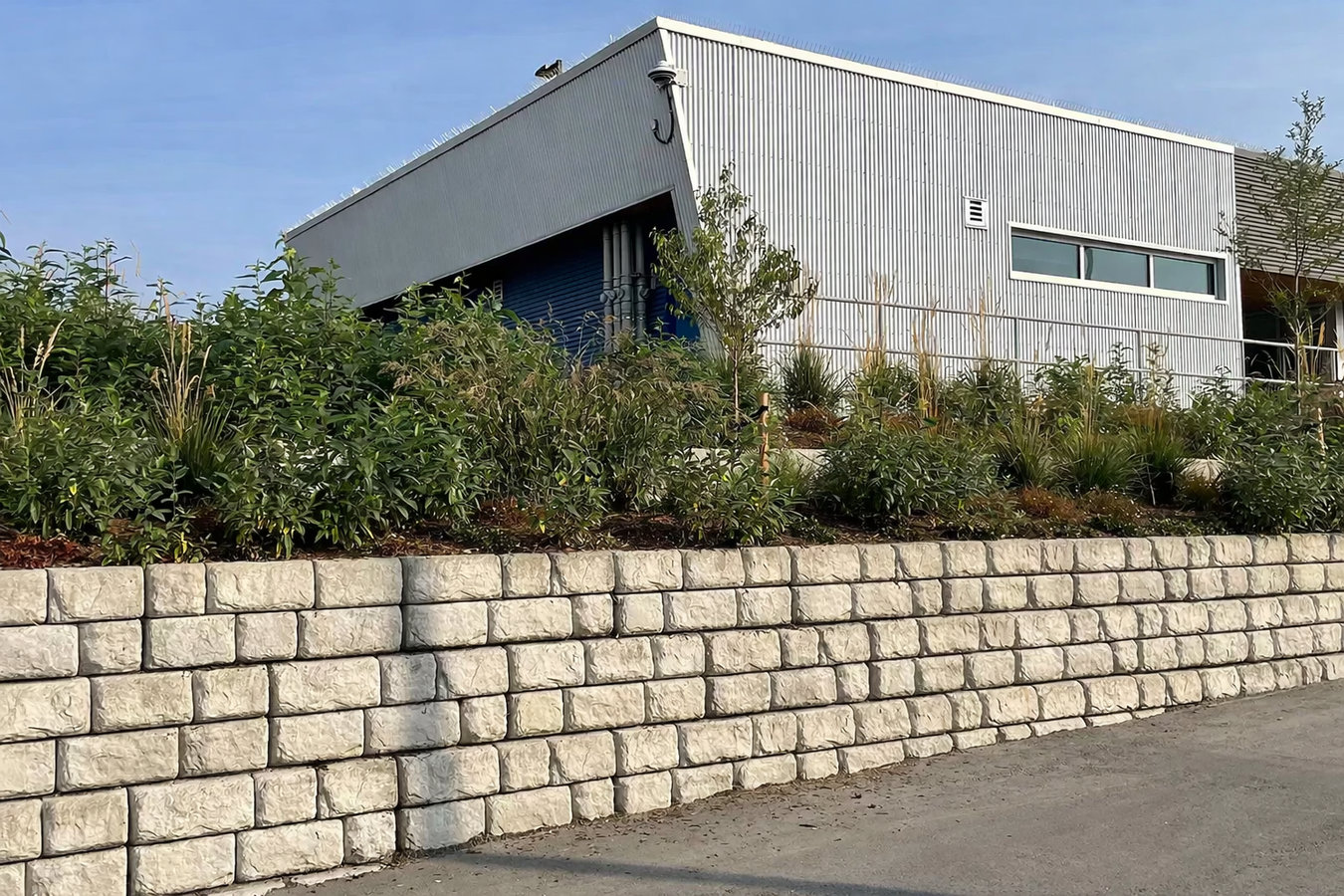
Sloping yard, sliding soil, or a failing wall? We design and build reinforced concrete retaining walls that hold back the ground, manage drainage, and pass city inspection.
Concrete retaining walls in Huntington Beach involve excavating the slope, building a stable foundation, placing steel reinforcement inside the wall, installing drainage behind it, and pouring or laying the concrete - most residential jobs take two to five days of active construction, not counting permit approval time.
Most retaining wall problems in this area come down to two things: soil conditions and drainage. Huntington Beach sits on a mix of sandy coastal soils and expansive clay that shifts with the moisture cycle. A wall that was not designed for those conditions - or that skipped the drainage layer behind it - will show problems within a few rainy seasons. We size the drainage, the foundation, and the reinforcement to match your specific site, not a generic plan.
If your project also includes a covered patio or an outdoor living area at the newly leveled grade, our concrete floor installation service can be scoped together with your retaining wall to keep the work consolidated.
If you see a ridge of soil building up at the bottom of a slope, or a raised bed pushing outward, that is active soil movement - and it will get worse on its own. In Huntington Beach, sandy and clay-heavy soils absorb moisture after winter rains and lose their grip. A retaining wall stops that movement before it reaches your driveway, fence, or home.
A wall that tilts even slightly toward the open side is under stress it was not designed to handle. Horizontal cracks near the middle of a wall, or gaps where the wall meets the ground, signal that the structure is beginning to fail. A leaning wall is much less expensive to replace before it collapses than after.
If rainwater runs toward your home instead of away from it, the grade of your yard may be working against you. A retaining wall combined with regrading can redirect water away from your foundation. In Huntington Beach, where winter storms can bring several inches of rain quickly, this kind of drainage problem can cause real damage over time.
Any time you create a level surface on a sloped lot - a patio, a lawn, a vegetable garden - you need something to hold the soil at the edges. A concrete retaining wall is the most durable way to do that and gives you a clean, finished look that holds up through years of coastal weather.
We build two main types of concrete retaining walls for residential properties: poured concrete walls and concrete block walls, sometimes called CMU walls. Poured concrete walls are monolithic - the entire structure is formed and poured in place - which gives you a strong, seamless result that is especially well suited to taller walls or sites with significant soil pressure. They pair well with a concrete steps construction project if your wall creates a level change that needs safe access.
Concrete block walls use hollow masonry units filled with concrete and steel - a method that offers flexibility in height and finish, and works well when you want a wall that blends into a landscaped setting. Both types require the same fundamentals: a solid footing, drainage behind the wall, and steel reinforcement through the structure. For decorative applications, a stamped or colored surface finish can be applied to either type.
Best for taller walls and sites with high soil pressure - one monolithic structure with no joints that could separate over time.
Flexible in height and finish, well suited to landscaped settings where a more textured or natural-looking wall face is preferred.
Every wall we build includes a proper drainage layer and outlet - the most important factor in how long the wall holds up.
For homeowners who need the wall to meet city permit requirements or seismic engineering standards, we manage the full process.
Huntington Beach sits in a high seismic hazard zone, and the City requires permits and engineered drawings for retaining walls above a certain height. That is not just bureaucracy - it means any wall we build here is designed to handle ground movement, not just the everyday weight of soil. Skipping that step creates a wall that may look fine but could shift or crack after even a moderate earthquake. Homeowners in neighborhoods like Costa Mesa face similar requirements, and we handle the permit process for projects in those areas as well.
The soil in Huntington Beach adds another layer of complexity. Much of the inland area around the Bolsa Chica and Ellis-Goldenwest neighborhoods has expansive clay that swells when wet and shrinks when dry - a cycle that puts pressure on walls from behind in a way that sandy soil does not. Homeowners in Garden Grove and surrounding Orange County communities deal with similar soil profiles, and the drainage design we use accounts for that movement rather than just the static weight of the soil.
We schedule a time to walk your property in person - not just give a price over the phone. We look at the slope, the soil, how water moves through your yard, and what is nearby. You leave with a clear sense of what is recommended and why. We reply to new inquiries within one business day.
You receive a written estimate that breaks down the work. If your wall requires a city permit - common for walls over a certain height in Huntington Beach - we explain the process, who pulls the permit (we do), and what it adds to the timeline and cost.
We submit the permit application to the City of Huntington Beach on your behalf. Permit review typically takes one to three weeks for a standard residential wall. Once approved, you get a start date. Use this time to clear the work area of furniture or plants near the wall location.
The crew excavates, sets the foundation, places steel rebar, installs drainage material behind the wall, and pours or lays the concrete. Once complete, we backfill, grade the area, and clean the site. A city inspector may visit to sign off if a permit was pulled.
Free estimate. Written quote before any work starts. We handle the Huntington Beach permit process for you.
(657) 485-0088Water pressure behind a wall is the top reason retaining walls fail. We include a gravel drainage layer and weep holes or perforated pipe on every job - not as an optional upgrade, but as a standard part of how we build. Ask any contractor you compare us to whether drainage is included.
We handle the City of Huntington Beach permit process for you from start to finish. Permitted retaining walls are inspected and documented - which protects you during a home sale and means the work meets city and seismic standards, not just our own judgment.
Steel reinforcement inside the concrete is what keeps a wall from cracking under soil pressure over time. We confirm the rebar schedule before work begins and can show you the plan. A wall without proper reinforcement will not hold up through Huntington Beach winters and Pacific Coast seismic activity.
We work in this city regularly and understand the local soil conditions, HOA guidelines common in neighborhoods like Seacliff, and what the city permit office expects. That local familiarity means fewer delays and a smoother project from first call to final inspection.
Retaining wall work in Huntington Beach is more involved than most homeowners expect - the permits, the soil conditions, the seismic requirements - but those are exactly the things we handle on your behalf. The American Concrete Institute sets the national standards we follow for reinforcement and drainage design, and we apply those standards to every wall we build in this city.
Ready to finish the space your new retaining wall helps define? We install concrete floors for garages, patios, and ADUs throughout Huntington Beach.
Learn MorePair your retaining wall with concrete steps that connect grade changes safely and add a polished, finished look to your outdoor space.
Learn MoreWe are booking projects in Huntington Beach now - call or message us to get a written quote before the permit cycle adds weeks to your start date.